
Are Electric Vehicles Actually Good for Off-Road Driving?
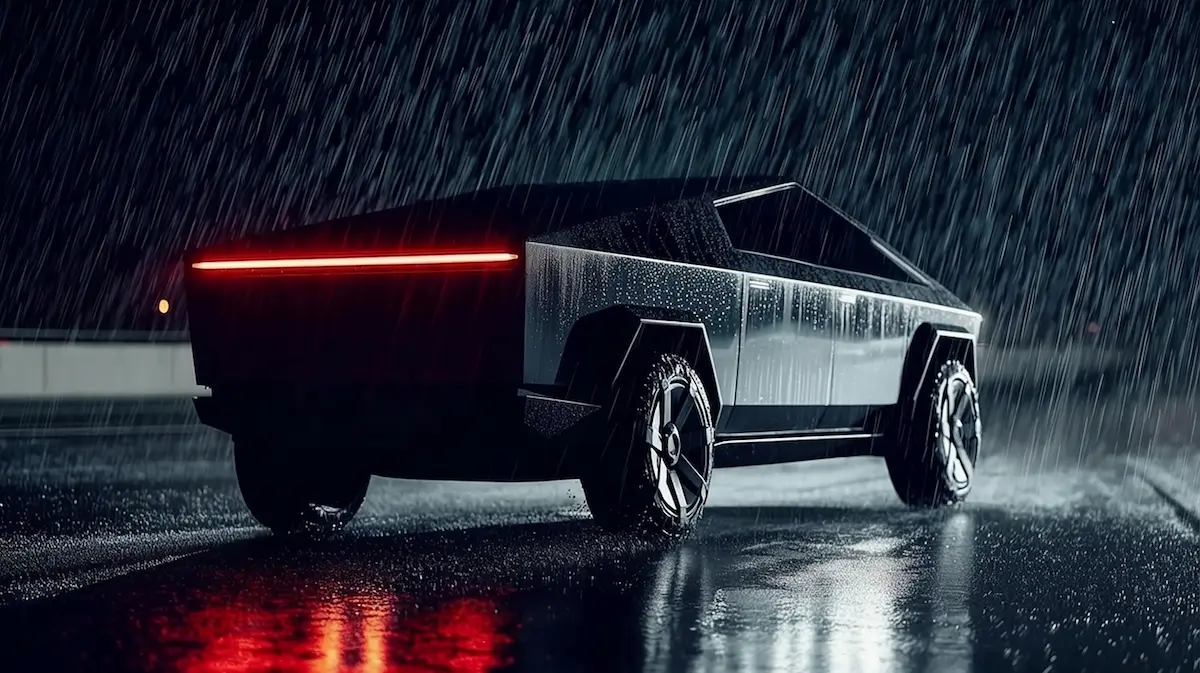
Yes—electric vehicles can be very good off-road, especially on graded canyon roads, forest tracks, snow, sand and moderate trails. Electric trucks and SUVs deliver immediate, precisely controlled torque; a low center of gravity; advanced traction software; and quiet, emissions-free-at-the-tailpipe campsite power. Their limits are real: weight, tire damage, underbody clearance, towing losses, remote charging and terrain-dependent range require more planning than a highway trip.
Capability depends on the vehicle, tires, suspension, protection equipment and route—not simply the presence of an electric motor. A crossover on street tires is different from an electric truck equipped with all-terrain tires and dedicated off-road modes. This guide focuses specifically on trail performance; EV Auto’s overview of the broader benefits of electric vehicle ownership covers everyday use.
Table of Contents
Five Advantages Electric Vehicles Have Off-Road
1. Instant, controllable torque
Electric motors respond immediately, without waiting for an engine to build revs or a transmission to shift. The important benefit on a trail is not simply acceleration—it is the ability to meter power smoothly at low speed. That can help when climbing loose grades, moving across rocks or starting on slippery surfaces.
Too much torque can still break traction. Good pedal calibration, appropriate drive modes and careful driver input matter.
2. A low center of gravity and intelligent traction
A floor-mounted battery generally places substantial mass low in the chassis, reducing the top-heavy feeling common in tall vehicles. Many electric trucks add adjustable suspension, wheel-slip monitoring or torque vectoring—the controlled distribution of motor torque between axles or wheels.
These systems can react quickly, but they do not override physics. A heavy EV still carries momentum on mud, snow and steep descents, while software cannot compensate for unsuitable tires.
3. Factory off-road hardware
Purpose-designed models may offer selectable terrain modes, increased ride height, reinforced underbody protection, recovery points and all-terrain wheel-and-tire packages. Equipment varies significantly by model year, trim and powertrain, so buyers should verify the exact vehicle rather than relying on a model’s headline capabilities.
4. Useful power and quiet operation at camp
Depending on the model and configuration, onboard outlets can operate lights, cooking equipment, tools, an air compressor or other appropriately rated accessories. Climate control may also run without idling an engine. That reduces noise around a campsite, although every appliance and cabin-temperature setting consumes energy needed for the return trip.
5. Data-assisted trip planning
EV navigation systems can estimate arrival charge and identify charging stops. Drivers can improve that forecast by monitoring recent energy consumption, downloading offline maps and setting a minimum return reserve. Route planning remains the driver’s responsibility because many navigation estimates cannot fully account for deep sand, wheelspin, low tire pressure or an unmapped climb.
Comparing Popular Electric Trucks and SUVs
The following vehicles illustrate different approaches to electric off-road capability. This is a functional comparison, not a trim-level specification sheet. Features, drive modes, tires, payload ratings and protection packages can change by model year or configuration.
|
Off-road strengths and limitations of notable electric adventure vehicles |
||
|
Vehicle |
Useful off-road features |
Important shopping checks |
|---|---|---|
|
Rivian R1T and R1S |
Adjustable air suspension, selectable terrain settings and available all-terrain equipment; pickup and enclosed-SUV body choices |
Confirm motor configuration, wheel size, spare tire, underbody protection and which drive modes are included |
|
Adaptive air suspension, dedicated off-road controls, multiple-motor traction and onboard electrical utility |
Review the current owner’s manual for mode availability, water-crossing instructions, tire limitations and software-dependent functions |
|
|
Full-size pickup utility, off-road drive settings, battery protection and available Pro Power Onboard equipment |
Check trim-specific power outlets, tires, skid protection, payload and towing ratings; its long wheelbase affects breakover clearance |
Configuration matters: Larger wheels with low-profile street tires may look dramatic but usually provide less sidewall protection than an approved smaller wheel with a taller all-terrain tire. Changing tire size can also affect efficiency, range estimates, handling and warranty coverage.
Which Terrain Suits an EV?
|
Electric vehicle suitability by common weekend terrain |
||
|
Terrain |
Typical fit |
What to watch |
|---|---|---|
|
Graded dirt and canyon roads |
Excellent for a properly equipped vehicle |
Sharp rocks, washboards, dust, speed and changing road conditions |
|
Snow and packed winter roads |
Strong traction potential |
Use suitable winter tires; heavy vehicles require more stopping distance |
|
Sand and dunes |
Capable but energy intensive |
Deep sand, heat and reduced tire pressure can raise consumption substantially |
|
Moderate rocky trails |
Good with adequate clearance and protection |
Battery-area impacts, wheelbase, tire sidewalls and recovery access |
|
Technical rock crawling |
Configuration- and driver-dependent |
Approach, departure and breakover angles; spotters and rated recovery equipment |
|
Mud or water crossings |
Conditional |
Traction, hidden obstacles and model-specific water-depth limits; never enter floodwater |
How to Plan Off-Road Range and Charging
An EPA range estimate is a standardized comparison tool, not a promise of trail mileage. The EPA explains how EV range is tested, while real consumption changes with speed, temperature, elevation, cargo, towing, tires and climate control. Low-speed travel is not automatically efficient when the vehicle is climbing, spinning its tires or pushing through sand.
A simple battery-budget method
-
Record the battery level expected at the trailhead.
-
Estimate trail consumption using previous drives, vehicle data or a conservative route assumption.
-
Set a reserve large enough to reach a dependable charger if the planned station is unavailable.
-
Check consumption at defined turnaround points instead of waiting for a low-battery warning.
Illustrative calculation: If the vehicle reaches the trailhead at 78%, the route is expected to consume 28 percentage points, and the driver wants a 25% reserve, the projected return level is 50%. That leaves a 25-point margin above the reserve. This example is not a universal recommendation; unfamiliar terrain warrants a larger buffer.
Cold weather can reduce range because the battery and cabin require heat, as discussed in the U.S. Department of Energy’s EV range guidance. Hot weather, soft sand, roof cargo and towing can also change the calculation. Do not assume a long downhill return will recover all the energy used climbing.
Before leaving pavement, confirm charger access and current operating status with the network operator. The federal Alternative Fueling Station Locator can help identify charging locations, but remote routes may still require an out-and-back energy plan.
Utah Off-Road Considerations
Utah driving can combine freeway speeds, major elevation changes, summer desert heat, winter cold and long distances beyond reliable charging. Canyon roads may also have limited cellular coverage, so save maps and recovery information offline.
Route legality matters as much as vehicle capability. The Bureau of Land Management’s Utah travel and transportation resources explain designated-route planning on BLM-managed land. Check current agency maps, closures, fire restrictions and local rules before departure; an existing tire track does not necessarily indicate a legal route.
Drivers comparing vehicles for Wasatch Front trips can review EV Auto’s store locations, but charging should be confirmed independently for each destination rather than assumed from proximity to a town.
EV Off-Road Safety Checklist
-
Read the model-specific owner’s manual for drive modes, recovery points, towing procedures and water-depth limits.
-
Inspect tires, sidewalls, tread, wheels and the visible underbody before and after the trail.
-
Use the pressure listed or permitted by the vehicle and tire manufacturers; do not copy another driver’s sand pressure.
-
Carry a compatible inflator, tire repair equipment, first-aid supplies, water and offline navigation.
-
Count passengers, cargo, accessories and trailer tongue weight against the vehicle’s payload rating.
-
Use only rated recovery points and equipment appropriate for the vehicle’s weight.
-
Never place a jack beneath the high-voltage battery unless the manual identifies that location as approved.
-
Stop after a significant underbody strike. Follow the manufacturer’s emergency instructions if there is smoke, unusual odor, leaking fluid, a warning message or visible battery-area damage.
-
Do not enter moving or flooded water. Follow the National Weather Service’s Turn Around, Don’t Drown guidance.
-
Obtain permission before using a campground outlet, and use only charging equipment and receptacles approved for the load.
Who Should Choose an Off-Road EV?
An electric truck or SUV may be a strong fit if you:
-
Take planned weekend trips on established roads and moderate trails.
-
Value quiet camping, onboard power and precise low-speed response.
-
Can charge before departure and maintain a conservative return reserve.
-
Are willing to choose tires and protection equipment for function rather than appearance.
Another vehicle may be more practical if you:
-
Regularly travel far beyond dependable charging with no recovery support.
-
Tow long distances into remote terrain and cannot allow for major range variation.
-
Need an extensive network of specialized trail repairs or carry spare fuel as your primary range backup.
-
Expect one vehicle to handle extreme rock crawling without configuration-specific modifications.
Frequently Asked Questions
Do electric vehicles work well in snow?
They can. Precise motor control and a low center of gravity help, but appropriate winter tires remain more important than the powertrain. Extra vehicle weight also increases the need for conservative braking distances.
How much range does an EV lose off-road?
There is no reliable universal percentage. Grade, surface softness, temperature, tires, wheelspin, cargo and towing can make the same route consume very different amounts of energy.
Can an electric truck drive through water?
Only within the manufacturer’s stated conditions and depth limit. Water resistance does not make an EV floodproof. Avoid moving water and never exceed the vehicle-specific owner’s-manual guidance.
Can I charge an EV at a campground?
Sometimes, but only with the operator’s permission, a suitable receptacle and approved charging equipment. Do not assume an RV outlet is available or safe for continuous EV charging.
Can an EV run climate control overnight?
Many models can operate climate control while parked, but the feature and energy use vary. Include overnight heating or cooling in the battery budget and preserve enough reserve to reach the next charger.
Does towing reduce an electric truck’s range?
Yes. Trailer size, shape, weight, speed, wind and elevation all matter. Plan using the specific trailer and route rather than the truck’s unladen EPA estimate.
Are large wheels good for off-roading?
Not necessarily. An approved smaller wheel can allow a taller tire sidewall, improving impact protection and flexibility. Any change must maintain load capacity, clearance and manufacturer compatibility.
Can a stranded EV be tow-charged?
Do not improvise. Pulling an EV to generate charge may damage components or create control hazards. Follow the owner’s manual and roadside-assistance instructions for transport, wheel lift or flatbed requirements.
Find an Electric Adventure Vehicle
Start by comparing the electric trucks and SUVs in EV Auto’s vehicle listings. If the configuration you need is unavailable, submit a vehicle request. Before choosing one, review the questions to ask before buying an EV and confirm its tires, suspension, underbody protection, payload, charging equipment and owner’s-manual limitations. For model-specific shopping questions, contact EV Auto.
Sources
Can You Shop for an Electric Vehicle Based on Your Monthly Payment?
Yes. Instead of choosing an electric vehicle first and trying to force it into your budget, EV Auto lets you…
Can You Trade In a Gas-Powered Car and Have Your EV Shipped Nationwide?
Yes. EV Auto can help customers from virtually anywhere in the country trade in a gas-powered car and have an…
What Should You Ask Before Buying an Electric Vehicle?
Before buying an electric vehicle, ask whether its real-world range covers your hardest days, where and how you will charge,…