
Can You Trade In a Gas-Powered Car and Have Your EV Shipped Nationwide?
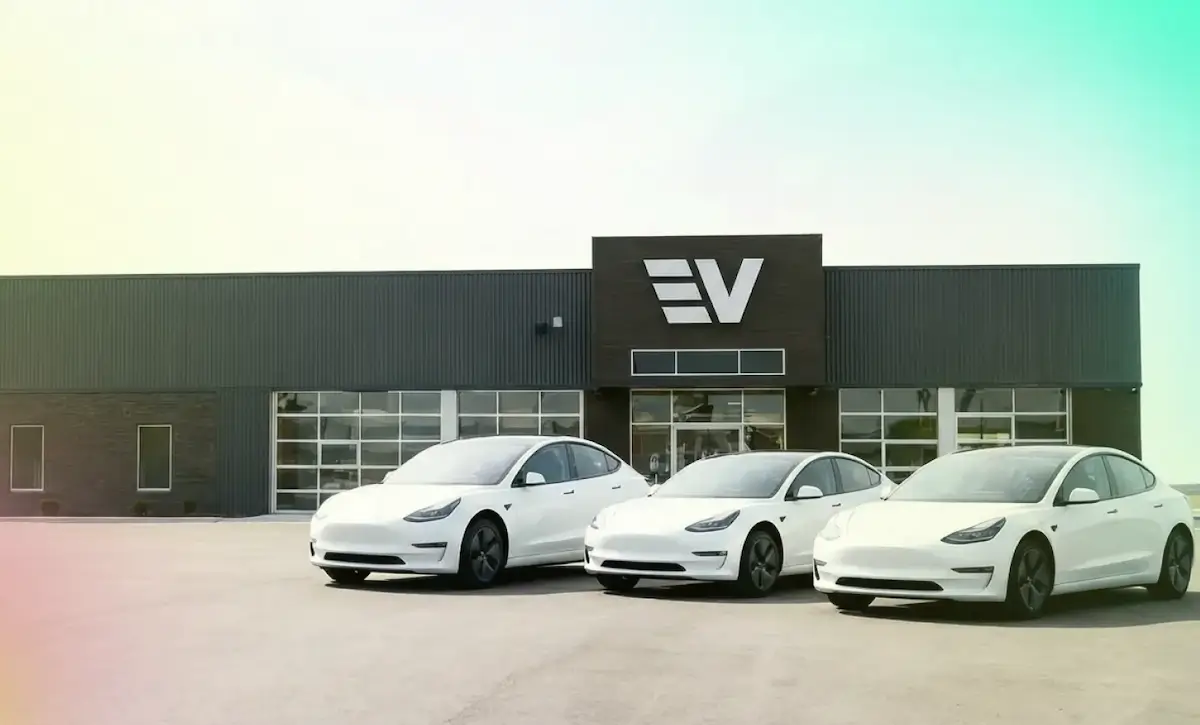
Yes. EV Auto can help customers from virtually anywhere in the country trade in a gas-powered car and have an EV delivered to their home. The dealership accepts combustion-engine trade-ins, seeks competitive valuations from dealers in the customer’s local market, manages resale, arranges driveway pickup, and coordinates home delivery of the purchased EV, so living near an EV Auto location is not required.
This remote process combines two transactions that drivers often handle separately: selling a current vehicle and buying an electric one. Exact eligibility, transportation timing, costs, financing, and paperwork depend on the vehicles, address, lender, and registration requirements, but the following guide explains what to expect and what to confirm before signing.
How EV Auto’s Five-Service Process Works
EV Auto’s nationwide process is designed to remove the need for customers to drive their current vehicle to a dealership and return home in a newly purchased EV. Although the order can vary based on financing, carrier availability, and documentation, a typical remote transaction includes these five services:
| Service | What EV Auto handles | What the customer provides |
|---|---|---|
| 1. Accepting the trade-in | Considers the customer’s gas-powered vehicle as part of the EV purchase. | VIN, mileage, trim, condition, ownership, and lien information. |
| 2. Obtaining local valuations | Seeks competitive valuations from dealers in the customer’s local market. | Accurate photos and disclosure of damage, warning lights, modifications, or mechanical issues. |
| 3. Managing resale | Handles the resale process rather than requiring the customer to advertise the vehicle privately. | Required title, payoff, registration, and transfer documents. |
| 4. Arranging driveway pickup | Coordinates nationwide pickup of the traded vehicle from the customer’s address, subject to route and address accessibility. | A safe pickup location, keys, documents, and a vehicle matching the reported condition. |
| 5. Delivering the EV | Arranges delivery of the purchased electric vehicle to the customer’s home. | Completed purchase documents, payment or approved financing, and availability to receive the EV. |
The central advantage is coordination: customers do not have to locate their own buyer, independently book two vehicle shipments, or live within a convenient drive of a dealership. However, pickup and delivery should not be assumed to happen simultaneously. Confirm the expected sequence and transportation window for your specific transaction.
How the Gas-Car Trade-In Is Valued
A trade-in valuation is not the same as the retail asking price for a similar vehicle. A buyer must account for the vehicle’s condition, local demand, transportation, reconditioning, and resale risk. EV Auto simplifies this part by obtaining valuations from dealers in the trade-in vehicle’s local market and then handling the resale.
For a more accurate remote valuation, be ready to provide:
- The complete 17-character VIN and current odometer reading
- The exact model year, trim, drivetrain, and major factory options
- Clear exterior, interior, wheel, tire, and instrument-panel photos
- Details about collision history, paintwork, hail, dents, glass damage, or rust
- Information about warning lights, mechanical concerns, odors, stains, or missing equipment
- The number of keys and whether the owner’s manual and accessories are present
- Current loan payoff information, if a lender holds the title
- Disclosure of aftermarket modifications or a non-running condition
Accuracy matters because the final condition at pickup must match what was represented. Undisclosed damage, excess mileage added after the appraisal, or missing equipment can affect a previously discussed figure. Start with EV Auto’s trade-in value resource, then ask what documentation is needed for a firm offer and how long that offer remains valid.
How to Choose an EV Remotely
Remote buying makes it especially important to verify the exact EV rather than relying on a model’s headline specifications. Range, charging capability, power, cargo capacity, and equipment can differ by model year, battery, drivetrain, trim, wheel size, and optional package.
Review the available EV Auto vehicle inventory and confirm the following for the specific VIN under consideration:
- Battery and drivetrain: Confirm battery configuration and whether the vehicle is rear-, front-, or all-wheel drive.
- Charging equipment: Identify the vehicle’s charging connector, included portable charging cable, and any adapters.
- Condition and history: Request available photos, disclosures, history information, and details about tires, wheels, glass, and cosmetic damage.
- Driver-assistance equipment: Verify installed hardware and active features. Similar-looking vehicles can have different packages or subscription requirements.
- Keys and accessories: Confirm the number of key cards, fobs, charging cables, cargo covers, and other model-specific items.
- Real-world suitability: Consider your daily distance, winter temperatures, highway use, home-charging access, passenger needs, and cargo requirements.
An EV’s displayed or estimated range is not a fixed promise. Weather, speed, climate-control use, tires, elevation, payload, driving habits, and battery condition can change actual results. The practical question is whether the vehicle provides a comfortable buffer for your routine—not whether it reaches a best-case number.
Before committing, use this guide to questions to ask before buying an EV. If financing is needed, a remote buyer can also submit EV Auto’s credit application; submitting an application does not by itself guarantee approval or particular terms.
Preparing for Pickup and Home Delivery
Nationwide pickup and delivery are easier when both vehicles and the pickup address are ready for a transporter. Before the appointment, ask whether the traded car will be collected before, after, or at approximately the same time as the EV arrives. Do not make commuting or travel plans around an unconfirmed estimate.
Prepare the gas-powered trade-in
- Remove personal belongings, toll transponders, garage-door remotes, and stored navigation addresses.
- Photograph every side of the vehicle, the interior, odometer, fuel level, wheels, glass, and existing damage.
- Gather all agreed keys, accessories, documents, and lender information.
- Ask whether license plates should remain on the vehicle; plate procedures differ by transaction and registration jurisdiction.
- Keep the condition and mileage reasonably consistent with the information used for the valuation.
Prepare to receive the EV
- Confirm who is authorized to accept delivery and what identification is required.
- Ask for the expected delivery condition, included accessories, and approximate battery charge level.
- Compare the VIN with the purchase documents.
- Inspect the exterior, wheels, glass, interior, and accessories before the carrier leaves when practical.
- Photograph the EV at delivery and note transportation damage on the carrier’s condition report before signing it.
Large transport trucks may be unable to enter narrow streets, gated communities, steep driveways, roads with low branches, or places where commercial loading is restricted. If direct driveway access is unsafe or impractical, the carrier may need a nearby legal meeting point. Confirm this in advance rather than directing a transporter into a difficult location.
For security, follow the written instructions provided for the transaction, verify the carrier or driver’s identity, and never sign blank transfer or condition documents.
Compare Your Selling and Delivery Options
| Option | Best for | Potential advantages | Points to consider |
|---|---|---|---|
| Trade with EV Auto and use coordinated delivery | Customers prioritizing convenience and one coordinated transaction | Local-market valuation, managed resale, driveway pickup, and home EV delivery | Confirm transport charges, timing, final valuation, and whether pickup and delivery occur separately |
| Sell the gas car separately and buy the EV remotely | Customers willing to manage two transactions | Freedom to compare private-sale and purchase options independently | Advertising, test drives, fraud prevention, payoff handling, and separate transportation become the seller’s responsibility |
| Travel to a dealership location | Customers who prefer an in-person transaction | Opportunity to review documents and the vehicle on-site | Travel time, lodging, return transportation, and distance may outweigh the benefit |
The coordinated option is generally the clearest fit for someone who values simplicity or lives far from an EV Auto location. Selling separately may appeal to a customer prepared to invest more time in pursuing a different offer. Neither choice is automatically best; compare the net figures, workload, timing, and risk rather than looking only at the highest advertised number.
Costs, Financing, and Local Paperwork
“Nationwide pickup and delivery” should not be interpreted as “free shipping.” Transportation charges, if any, can depend on the route, vehicle size, whether a vehicle operates, pickup accessibility, and scheduling. Ask for a written transaction summary showing which costs are included and which are separate.
A useful way to review the numbers is:
Net trade equity = trade allowance − loan payoff
Estimated amount to pay or finance = EV selling price + listed taxes, fees, and delivery charges − down payment − positive trade equity
If the payoff is higher than the trade allowance, the vehicle has negative equity. Do not assume that negative equity can be added to a new loan. Whether it can be included depends on lender approval, the amount involved, the purchased vehicle, and the complete credit application. Review the financing agreement rather than relying on a payment estimate alone.
Taxes, title work, registration, temporary permits, inspections, plate handling, and trade-in tax treatment can vary by the customer’s registration address. Before signing, confirm:
- The EV’s agreed selling price and the trade allowance
- The lender payoff amount and resulting positive or negative equity
- Every dealership, transportation, title, registration, and documentation charge
- Who submits title and registration paperwork
- What temporary operating documents will be provided, if applicable
- The pickup and delivery address, estimated windows, and cancellation terms
- What happens if either vehicle’s condition differs from its written description
The signed purchase, finance, and transportation documents—not an informal estimate—control the final obligations.
Remote Transaction Checklist
- Choose an EV that fits your charging access, daily mileage, passengers, and cargo.
- Verify the exact model year, trim, battery, drivetrain, equipment, condition, and included accessories.
- Submit complete trade-in details, honest condition disclosures, and clear photos.
- Obtain a current lender payoff if the gas-powered vehicle is financed.
- Review the itemized purchase proposal, trade allowance, equity, fees, and transportation charges.
- Confirm financing terms or payment instructions before transferring funds.
- Ask how title, registration, plates, temporary permits, and lien releases will be handled.
- Confirm separate pickup and delivery windows and whether your driveway can accommodate the carrier.
- Photograph the trade at pickup and the EV at delivery.
- Retain copies of all signed documents, condition reports, payment records, and carrier information.
If the EV you need is not currently available, submit an EV Auto vehicle request. To discuss a particular trade, delivery address, or financed payoff, contact EV Auto with the current vehicle’s VIN, mileage, ZIP code, and the EV you are considering.
Frequently Asked Questions
Can I trade in a gas-powered car for an EV?
Yes. EV Auto accepts gas-powered vehicles as trade-ins toward an EV purchase. The offer depends on the specific car, its condition, ownership status, local-market valuation, and transaction details.
Do I need to live near an EV Auto dealership?
No. EV Auto’s remote process is intended to serve customers from virtually anywhere in the country through coordinated trade-in pickup and home EV delivery. Confirm service availability and address accessibility for your location before signing.
How can EV Auto value a car without seeing it at a dealership?
The customer supplies identifying information, mileage, condition details, and photos. EV Auto obtains competitive valuations from dealers in the customer’s local market. Complete disclosure helps reduce the risk of an adjustment when the vehicle is collected.
Can I trade in a car that still has a loan?
A financed vehicle may be considered, but the lender’s payoff must be included in the transaction. If the payoff exceeds the trade allowance, ask whether the negative equity can be paid separately or included in approved financing. Do not assume either option is available until it appears in writing.
Will my trade-in be picked up when my EV arrives?
Not necessarily. Pickup and delivery may involve different carriers, routes, and schedules. Ask for both estimated windows and make backup transportation arrangements if the current car will leave before the EV arrives.
Is nationwide vehicle shipping free?
Do not assume it is. Request an itemized proposal showing any pickup and delivery charges and whether they are included in the selling price or listed separately.
Can EV Auto pick up a non-running vehicle?
Disclose that the vehicle does not operate before accepting a valuation. A non-running vehicle may require different equipment and can affect eligibility, price, and transportation cost. Confirm approval in writing.
What if a transport truck cannot reach my driveway?
You may need to meet the carrier at a nearby safe and legal loading area. Tell EV Auto about gates, narrow streets, low branches, steep grades, parking rules, or access restrictions before transportation is scheduled.
What should I check when the EV is delivered?
Verify the VIN, inspect the body, glass, wheels, tires, interior, keys, charging equipment, and listed accessories, and photograph the vehicle. Record any shipping damage on the carrier’s condition report before signing whenever practical.
Sources
- EV Auto — dealership, remote purchasing, trade-in, and delivery information.
- EV Auto locations — physical dealership location reference.
Can You Shop for an Electric Vehicle Based on Your Monthly Payment?
Yes. Instead of choosing an electric vehicle first and trying to force it into your budget, EV Auto lets you…

Are Electric Vehicles Actually Good for Off-Road Driving?
Yes—electric vehicles can be very good off-road, especially on graded canyon roads, forest tracks, snow, sand and moderate trails. Electric…
What Should You Ask Before Buying an Electric Vehicle?
Before buying an electric vehicle, ask whether its real-world range covers your hardest days, where and how you will charge,…